
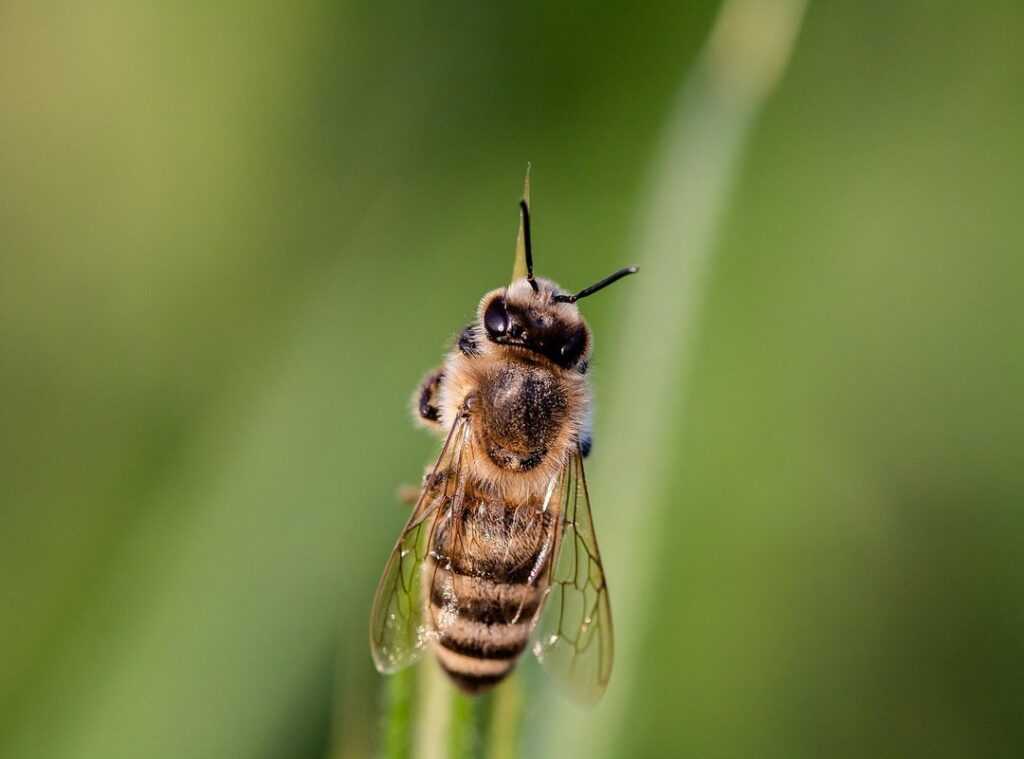
You know that feeling? You’re out on a beautiful evening, and suddenly, serangga sangur start buzzing around. It’s enough to ruin any moment.
The repellent aisle is a maze. DEET, natural stuff, sprays, lotions—what’s the deal? This guide is here to cut through the confusion.
I’ll break down the science-backed options so you can pick the best one. Trust me, this advice comes straight from entomologists and public health experts. You’ll learn how to read labels, match ingredients to your needs, and apply them right.
Let’s get you bite-free.
What’s Actually in the Bottle? A Breakdown of Key Ingredients
Let’s start with the gold standard: DEET. It’s a chemical that messes with the serangga sangur’s ability to smell us, making it hard for them to find and bite.
Different concentrations mean different levels of protection. For example, 20-30% DEET is enough for most outdoor activities, lasting several hours. Higher concentrations can extend that time but don’t necessarily mean better protection.
Now, let’s talk about Picaridin. This one’s nearly odorless and less greasy. It’s also safe for use on synthetic fabrics and gear, which is a big plus if you’re into hiking or camping.
Oil of Lemon Eucalyptus (OLE) is a top plant-based option. It’s not just any essential oil; it’s a refined, EPA-registered ingredient. OLE is effective, especially against mosquitoes, and its performance is comparable to low-concentration DEET.
Permethrin is another crucial tool, but it’s for treating clothing and gear, not for direct skin application. It’s highly effective against ticks, making it a must-have for anyone spending time in wooded areas.
So, what’s in it for you? DEET offers long-lasting, broad-spectrum protection. Picaridin is more pleasant to use and gentle on gear.
OLE is a natural alternative with solid effectiveness. Permethrin is your go-to for tick-heavy environments. Choose based on your needs and preferences.
Matching Your Repellent to Your Adventure
For Backyard BBQs & Light Activity: I recommend products with 20% Picaridin or Oil of Lemon Eucalyptus. Sprays and lotions are super convenient for casual use.
When you’re just hanging out in the backyard, you don’t need heavy-duty stuff. Something light and easy to apply is perfect.
For Hiking, Camping, and Deep Woods: You need 20-30% DEET or 20% Picaridin for longer-lasting protection. Don’t forget to treat your socks, pants, and shirts with Permethrin for tick prevention.
Serious outdoor activities mean serious bugs. Ticks, especially, can be a real problem. Treating your clothes with Permethrin gives you an extra layer of defense.
For Tropical Travel & High-Risk Areas: The CDC recommends a higher concentration—30% DEET or 20% Picaridin. This is crucial for protection against vector-borne diseases like Zika, dengue, and malaria.
In high-risk areas, you can’t afford to take chances. A higher concentration means better protection. It’s not just about comfort; it’s about safety.
For Children and Sensitive Skin: Safety first. Avoid OLE on children under 3 and DEET on infants under 2 months. Picaridin is a gentle yet effective option.
Always do a patch test with new products.
Kids’ skin is more sensitive, so you have to be extra careful. Picaridin is a good choice because it’s milder but still gets the job done.
Quick-Reference Chart:
| Activity | Recommended Active Ingredient | Concentration |
|---|---|---|
| Backyard BBQs & Light Activity | Picaridin, Oil of Lemon Eucalyptus | 20% |
| Hiking, Camping, and Deep Woods | DEET, Picaridin | 20-30% |
| Tropical Travel & High-Risk Areas | DEET, Picaridin | 30%, 20% |
| Children and Sensitive Skin | Picaridin | 20% |
Remember, the key is to match your repellent to your specific needs. Whether you’re chilling in the backyard or trekking through serangga sangur-infested jungles, the right product makes all the difference.
Pro tip: Always read the label and follow the instructions. Over-applying won’t make you any safer and could even cause skin irritation.
Stay safe out there. And if you’re into other kinds of risk, check out the top betting industry trends to follow in 2023.
You’re Probably Applying It Wrong: How to Get Maximum Protection

You might think slapping on sunscreen and insect repellent is a no-brainer. But trust me, there’s a right way to do it.
Always apply sunscreen first. Let it absorb for 15-20 minutes. Then, apply the insect repellent on top.
For even coverage, spray or apply lotion evenly to all exposed skin. For your face, spray into your hands first, then apply, avoiding the eyes and mouth.
Spraying under clothing? Don’t. It’s ineffective and can cause irritation.
Same goes for spraying in enclosed areas.
Reapply as directed on the product label. Generally, reapply after swimming, heavy sweating, or when the recommended hours of protection have passed.
Wash off the serangga sangur with soap and water once you’re back indoors for the day. It’s a best practice.
Your Next Steps
Explore the unique characteristics of serangga sangur. These insects play a vital role in their ecosystems.

 Jalric Selmorne, co-founder of BetUpdateSplash is known for his innovative approach to sports analytics and web technologies. His contributions focus on building seamless digital experiences and integrating advanced tools that make betting updates smarter and more accessible. Jalric’s forward-thinking mindset helps position the platform as a trusted tech-powered hub for bettors.