I’ve read hundreds of books on strategy and probability over the years.
Most of them? Total waste of time.
You’re here because you want to know which books actually matter. The ones that change how you think about decisions, not just fill space on your shelf.
booxxvalentina cuts through the noise. We review books that teach you how to think strategically, whether you’re analyzing sports, making financial moves, or just trying to make better calls in everyday life.
Here’s the problem: most betting and strategy books are either too technical to be useful or too simple to teach you anything new. You end up with a stack of unfinished reads and no real insights.
I’ve filtered out the garbage. What you’ll find here are reviews of books that actually deliver actionable wisdom. No fluff. No theory that sounds smart but goes nowhere.
You searched for book recommendations you can trust. That’s exactly what this is.
Each review tells you what the book teaches, who should read it, and whether it’s worth your time. Simple as that.
Review #1: The Mental Game – ‘The Biggest Bluff’ by Maria Konnikova
Here’s what most people get wrong about poker.
They think it’s about luck. About getting dealt the right cards at the right time.
But Maria Konnikova proves that’s not the whole story.
I picked up ‘The Biggest Bluff’ expecting another gambling memoir. What I got was something completely different. A deep look at how our brains trick us when money’s on the line.
Konnikova started as a psychology PhD with zero poker experience. Within a year, she was winning major tournaments. Not because she got lucky (though that helped). Because she understood something most players miss.
The real game happens in your head.
Let me break this down because it matters for anyone putting money on the line.
What Konnikova Actually Teaches
1. Separating skill from chance
You can’t control the cards. You can control how you respond to them. That distinction changes everything about how you bet.
2. Reading cognitive biases
We all have them. Confirmation bias makes us see patterns that aren’t there. Recency bias makes us overweight what just happened. Konnikova shows you how to spot these in yourself and others.
3. Managing tilt
That’s poker speak for losing your cool after a bad beat. In betting terms, it’s doubling down after a loss because you’re angry. She gives you a framework to catch yourself before you spiral.
Now here’s where this gets practical for booxxvalentina readers.
Think about how you analyze a game. You look at stats and matchups. But are you reading the emotional state of the teams? A squad coming off three straight losses plays different than one on a winning streak, even if the talent level’s the same.
That’s human psychology at work.
Or consider your own betting patterns. Do you chase losses? Do you bet bigger when you’re on a hot streak? Those are the exact cognitive traps Konnikova dissects in poker players.
The book won’t make you a better handicapper overnight. But it will make you more aware of the mental mistakes that kill bankrolls.
And honestly, that might be worth more than any betting system.
Review #2: Thinking in Probabilities – ‘Thinking in Bets’ by Annie Duke
You know what kills most bettors?
They win a bet and think they’re geniuses. They lose one and assume they screwed up.
But that’s not how probability works.
Annie Duke gets this better than anyone. Her book “Thinking in Bets” breaks down why you can’t judge your decisions by whether they won or lost. You have to judge them by whether you made the right call with the information you had.
She calls it “resulting.” It’s when you look at an outcome and work backward to decide if the decision was good.
That’s backwards thinking.
The Core Lesson That Changes Everything
Duke spent years playing poker at the highest levels. She learned something most people never figure out. Life isn’t chess where perfect information leads to perfect moves.
It’s poker. You’re always working with incomplete data.
So what matters? Making the best possible decision with what you know right now. Not whether it works out this time.
Think about it this way. You take a bet at +200 odds when the true probability suggests it should be +150. That’s a good bet. Even if you lose, you made the right call.
Most people can’t separate these two things. They see a loss and think they messed up.
But here’s what booxxvalentina always says. You need to focus on process over results. Judge your betting strategy by the quality of your analysis, not by whether the last three bets hit.
This connects directly to mastering odds a detailed breakdown of betting payouts. When you understand probability, you stop chasing wins and start chasing value.
Duke’s framework is simple. Ask yourself if you’d make the same bet again with the same information. If yes, the outcome doesn’t matter.
That’s how you build long-term success.
Review #3: The Underdog’s Edge – ‘Moneyball’ by Michael Lewis
Look, I’ll be honest with you.
When someone first handed me Moneyball, I thought it was just another baseball book. And I’m not even that into baseball (don’t come for me).
But THIS book? It changed how I think about finding value in everything.
Michael Lewis tells the story of the Oakland A’s and their general manager Billy Beane, who had a problem. His team was broke. Like, really broke. While the Yankees were spending $125 million on payroll, Oakland had maybe $40 million to work with.
So what did Beane do?
He stopped playing the same game everyone else was playing.
Instead of chasing the players everyone wanted, he looked at the numbers differently. He found guys who got on base. Players with high on-base percentages that other teams ignored because they didn’t fit the traditional mold of what a star looked like.
The scouts HATED it. They wanted players who looked the part. Beane wanted players who produced results (even if they were shaped like your uncle at Thanksgiving).
Here’s what booxxvalentina gets right about this book. It’s not really about baseball. It’s about finding edges where nobody else is looking.
You see the same thing in betting markets all the time. Everyone piles onto the obvious plays while real value sits right there in plain sight.
The core lesson? Question everything. Just because something’s been done a certain way for decades doesn’t mean it’s the right way.
I’ve applied this thinking to how I analyze odds and spot opportunities others miss. Sometimes the best bet isn’t the one everyone’s talking about.
Want more stories about people who found their edge? Check out these interviews with professional bettors success stories.
Bonus Review: The Foundation of Discipline & Responsible Strategy
I learned this the hard way.
Back when I started, I thought I had a system. I’d win a few bets and immediately think I’d cracked the code. Then I’d lose it all because I had no real structure.
Here’s what booxxvalentina taught me about discipline.
It’s not just one thing. It’s the thread that runs through every smart betting strategy I’ve studied.
You can read every book on odds. You can study every angle. But without discipline, you’re just gambling.
The books I’ve reviewed all say the same thing in different ways:
- Set your bankroll and stick to it
- Define your rules before you place a bet
- Treat this like a business, not a lottery ticket
That third one hits different when you’ve blown through a week’s budget on a hunch.
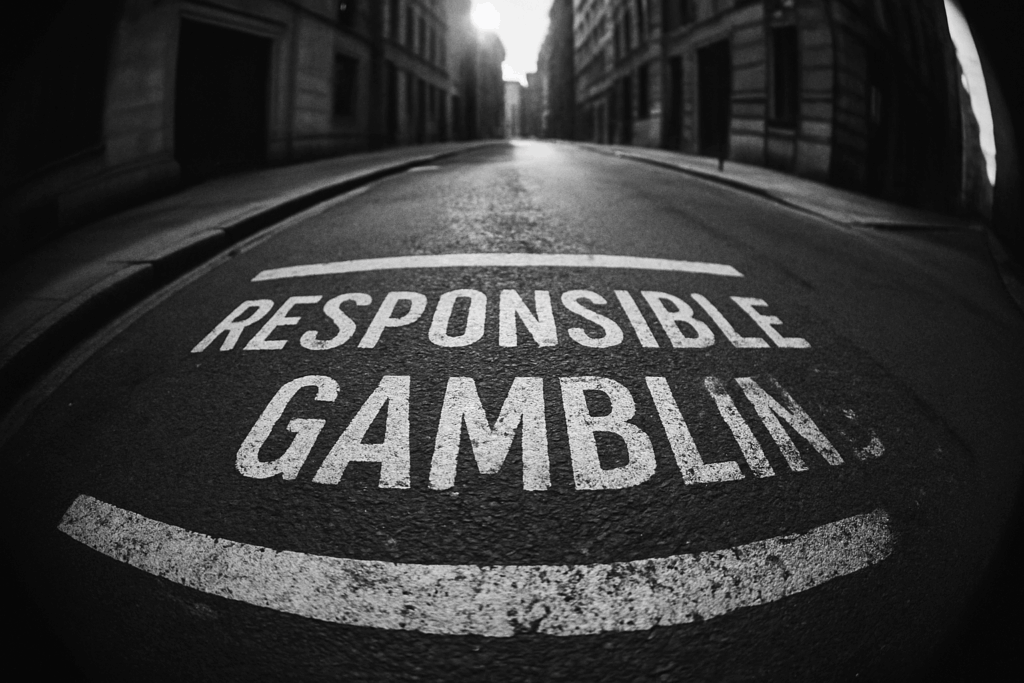
Responsible betting isn’t about being scared. It’s about being smart. You set limits because you want to be here next month and the month after that.
Not because someone told you to. Because it works.
Build Your Winning Library
You came here looking for booxxvalentina’s book recommendations.
Now you have a curated list that will sharpen your thinking and improve your strategy.
Making smarter decisions isn’t about luck. It’s about learning from people who’ve mastered probability and risk management.
These books give you the foundation you need. They teach you to think like an analyst instead of a hopeful bettor.
Pick the book that speaks to you most and start reading. Your journey from guessing to strategic thinking begins there.

 Shawn Sanderselers, co-founder of BetUpdateSplash brings sharp analytical skills and a deep passion for sports data to the platform. With a strong background in sports tech and betting insights, Shawn focuses on delivering real-time updates and innovative prediction tools that enhance the user experience. His expertise ensures readers get accurate, data-driven perspectives on every game.