Prediction markets have become one of the most talked-about developments in online event forecasting. While sports remain a major part of the experience, prediction markets now extend into entertainment, politics, cryptocurrency, and broader cultural developments, creating new ways for users to follow evolving events in real time.
Unlike traditional systems that often focus only on final outcomes, prediction markets continuously reflect changing expectations as events unfold. That shift is changing how people engage with forecasting, participation, and event-based betting across a wide range of categories.
Prediction Markets Create More Interactive Event Participation
One of the biggest ways prediction markets are changing event betting is by creating a more interactive experience throughout the life of an event. Instead of placing a wager before something begins and waiting for the final result, users can follow how probabilities change as new developments emerge.
This creates a stronger connection between the market and the event itself. Public sentiment, breaking news, momentum shifts, and ongoing developments can all influence how expectations evolve.
Because probabilities are constantly updating, users often remain engaged for much longer periods. The experience feels more active because participants are not simply watching events unfold but continuously monitoring how probabilities change over time. This level of engagement is one of the main reasons prediction markets continue attracting users seeking a more dynamic alternative to traditional event betting.
Real-Time Market Movement Changes How Users Follow Events
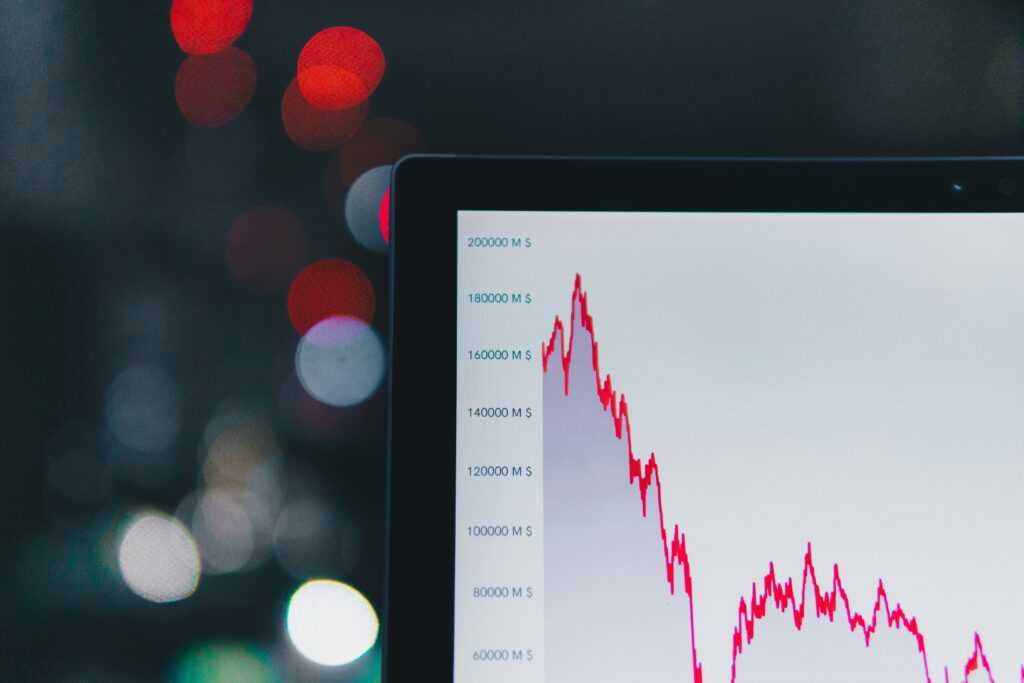
Prediction markets are also changing the way people follow events because probabilities can shift quickly in response to new information. Instead of relying on relatively static pre-event expectations, users now follow markets that react continuously as situations develop.
A major campaign announcement, a surprise awards-season result, or a sudden move in cryptocurrency prices can quickly influence public sentiment and change market expectations within minutes. This constant movement encourages users to pay closer attention to how events evolve in real time.
The fast-moving nature of prediction markets also creates a more responsive experience. Users often follow not only the event itself but also how probabilities and public expectations shift as new information emerges throughout the process. That combination of live developments and shifting sentiment creates a more immersive environment than systems focused only on fixed outcomes before an event begins.
Prediction Markets Encourage Longer-Term Engagement
Another major shift created by prediction markets is the way they encourage longer-term engagement with evolving events. Instead of focusing only on short-term outcomes, many markets continue developing gradually over days, weeks, or even months.
While tournaments like the World Cup continue generating strong interest in prediction markets over several weeks, users are also spending more time following longer-term events such as election cycles, award seasons, and cryptocurrency price movement as probabilities evolve over time.
This longer tracking period creates a different type of experience compared to traditional event betting. Users often become more invested in narratives, momentum, and changing public sentiment as events continue unfolding. Platforms centered around prediction markets have helped expand this style of participation by making it easier for users to follow evolving probabilities across multiple categories at once.
Prediction Markets Expand Betting Beyond Traditional Sports
Prediction markets are also changing event betting by expanding far beyond traditional sports outcomes. While sports remain an important category, users are increasingly participating in markets connected to entertainment, politics, finance, and broader cultural developments.
Prediction markets now allow users to bet on events tied not only to sports, but also to entertainment, politics, cryptocurrency movement, and broader cultural developments.
For example, users may track whether a film gains momentum during awards season, whether a public figure makes a major announcement, or whether a cryptocurrency reaches a specific price target before a set deadline. These types of markets create a much broader forecasting environment than traditional systems focused mainly on sports results.
This expansion has helped prediction markets attract audiences with different interests while also creating a more varied experience throughout the year instead of only during specific sports seasons.
Simpler Probability Systems Are Bringing in New Audiences
Another reason prediction markets continue growing is the simplicity of their probability-based structure. Many platforms present outcomes as probabilities or percentage-based forecasts, making them easier for newer users to interpret and compare.
Seeing an outcome listed at 70% immediately communicates that it is viewed as more likely than one sitting at 30%. This straightforward presentation makes it easier for users to follow changing expectations without needing advanced betting knowledge.
The simplicity of prediction markets also helps attract audiences beyond traditional sports bettors. People interested in entertainment, politics, or financial developments can often engage with the format without prior experience with conventional betting systems. That accessibility lowers the barrier to participation and helps explain why prediction markets continue expanding across different types of audiences and interests.
Prediction Markets Blend Forecasting With Entertainment
Prediction markets are also changing the event betting experience by blending forecasting with entertainment in a way that feels more interactive and socially engaging. Many users are drawn not only to the outcomes themselves but also to the process of following how public sentiment evolves around major events.
This creates an experience where participation becomes part of the entertainment value. Users often spend time discussing changing probabilities, monitoring market reactions, and comparing expectations as events continue developing.
Because prediction markets cover such a wide range of topics, participation can remain active throughout the year across sports, entertainment, politics, finance, and broader cultural developments. That constant variety helps keep users engaged across multiple categories rather than focusing only on isolated events.
The entertainment aspect of prediction markets is one of the major reasons they continue gaining visibility as more users look for interactive ways to engage with live events and evolving stories.
Why Prediction Markets Continue Changing Event Betting
Prediction markets continue expanding because they combine forecasting, participation, accessibility, and entertainment into a single experience. Real-time probability movement and broad event coverage have created a system that feels more interactive and responsive than many traditional formats.
As more users look for dynamic ways to follow sports, entertainment, politics, finance, and cultural developments, prediction markets will likely continue influencing how people engage with event-based betting. The ability to track evolving expectations in real time has changed forecasting from a passive activity into a more continuous and immersive experience.

 As a content writer of BetUpdateSplash Steven Riverswanser specializes in blending technology with sports strategy. With years of experience in digital platforms and predictive analytics, Steven contributes fresh ideas to keep the site ahead of betting trends. His writing combines tech-driven accuracy with an approachable style that helps readers understand the fast-changing world of sports betting.