
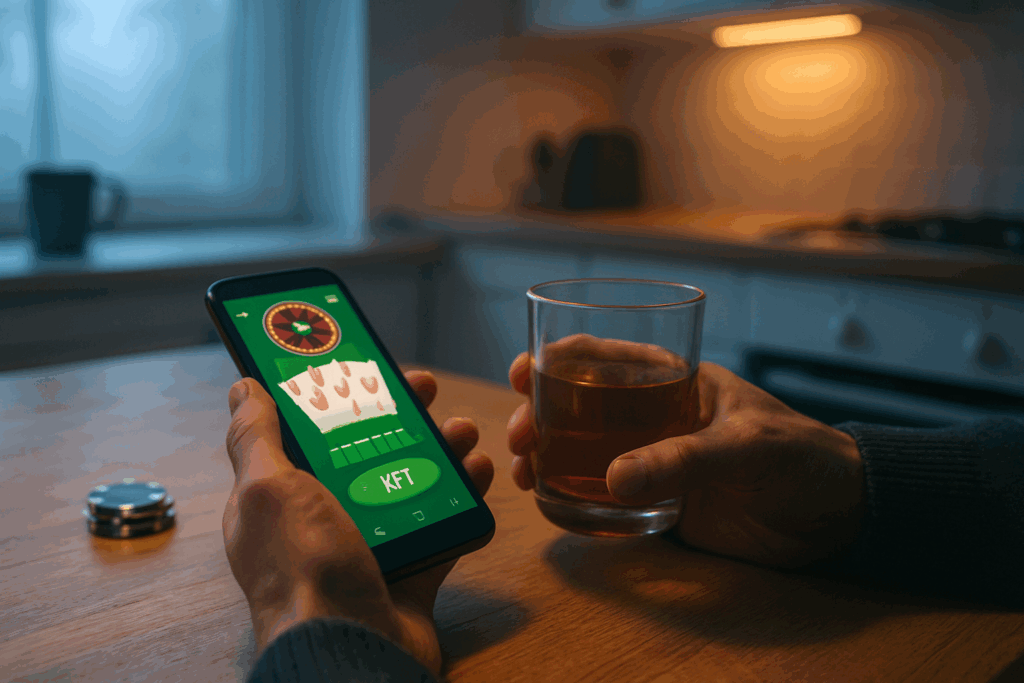
What Self Exclusion Actually Means
Self exclusion is one of the most recognized and accessible tools for those seeking help with gambling behavior. At its core, it’s a commitment usually self initiated to restrict access to gambling opportunities, both online and offline.
What Is Self Exclusion?
A voluntary agreement made by an individual to abstain from gambling
Typically involves formally registering with a gambling provider or national program
Designed to limit exposure and reduce temptation during vulnerable moments
Who Offers Self Exclusion?
Self exclusion options are increasingly widespread and supported by various entities:
Casinos: Land based gaming venues often have in house programs to ban access
Online Platforms: Many legal betting websites include built in tools for account suspension
National Registries: Countries or jurisdictions may run centralized databases that cover multiple operators for example, the UK’s GAMSTOP program
Common Features of Self Exclusion Programs
Though implementations vary, most self exclusion systems share several core elements:
Account Blocking: Access is denied to gambling sites or casino accounts during the exclusion period
Marketing Opt Outs: Users are removed from promotional emails, texts, and app notifications
Flexible Timeframes: Duration options usually range from 6 months up to a lifetime, depending on individual preference or severity of need
Why This Option Works
Self exclusion doesn’t fix everything, but it does one thing really well: it breaks the cycle. When someone commits to a program, they shut off access. No account logins. No late night dopamine hits. No silent spiral into another lost paycheck. Removing the option stops the impulse before it picks up speed.
The act of self excluding also creates a pause a moment of space between urge and action. That clarity, even if brief, is often enough to shift thinking. It’s not about willpower alone. It’s about creating distance, and giving the mind a chance to reset.
Many who enroll in these programs report a real difference. Less financial stress. More mental calm. Some say it’s the first time they’ve felt in control in years. It’s not a cure all, but it’s a powerful first step.
Learn more about self exclusion programs
Digital Tools Making It Easier

Self exclusion used to mean paperwork, waiting periods, and chasing down different providers. That’s changing fast. Now, most major gambling platforms offer one click sign ups for self exclusion. You log in, hit a button, and you’re locked out immediately. It’s designed to cut off temptation in the moment it counts.
Many of these systems now plug into national registries or multi operator schemes. That matters. Someone who self excludes from one site won’t just get blocked there they’re also locked out of every participating service. It’s hard to slip through the cracks when databases actually talk to each other.
But the tools don’t stop there. Banks are stepping in, too, with transaction blockers that prevent users from depositing money on gambling platforms. Email reminders nudge users to stick to their plans. And geo blocking tech can restrict access depending on location.
All of this adds up to a digital safety net. It’s not perfect, but it’s getting smarter and faster, and for many people, it makes all the difference.
Who Can Benefit
Self exclusion programs are designed to serve a wide range of individuals not just those already in crisis. Whether you’re actively struggling or simply becoming more aware of risky habits, these tools can provide timely support.
For Individuals Facing Recurring Impulses
If gambling has started to feel compulsive or difficult to control, self exclusion offers a structured way to interrupt the habit.
Helps create distance from gambling opportunities
Provides a built in barrier during periods of high temptation
Reduces exposure to marketing and triggering environments
For many, just removing easy access can be a turning point toward stability.
For Family and Friends Taking the First Step
Loved ones can play a vital role, especially when someone isn’t ready to take action themselves. Some programs allow family members or legal advocates to initiate the exclusion process particularly when safety or financial concerns are present.
Helps initiate boundaries in crisis situations
Opens the door for professional help
May include options for parental or guardian controls
For Those Catching Early Warning Signs
You don’t need to hit rock bottom to use self exclusion. It can also be a preventative tool for those who recognize unhealthy patterns starting to form:
Staying up late or skipping responsibilities to gamble
Hiding gambling behavior or financial activity
Using gambling as an escape from stress or emotional pain
Choosing to opt out early can stop a small problem from becoming a much bigger one later.
Explore the benefits of self exclusion programs
Limits and Considerations
Self exclusion isn’t magic it relies heavily on personal buy in. Signing up is one thing; sticking with it is another. Accountability is the backbone here. Without a real commitment to change, some users find ways around the system, like jumping onto unlicensed or offshore gambling sites that don’t recognize official self exclusion programs.
There’s also the emotional weight. Going it alone often turns into a cycle of frustration. That’s why better outcomes tend to happen when self exclusion is combined with support whether it’s talk therapy, a counselor who knows the space, or peer run support groups. The tech tools help, but lasting change usually starts with facing the root of the problem.
The Big Picture
Self exclusion isn’t a silver bullet, but it matters. For many people, it’s the first real step toward regaining control. By cutting off access, it builds space enough to breathe, enough to think. But on its own, it’s limited. Unless that gap is used to reflect, reach out, or make deeper changes, the risk of returning stays high.
That said, self exclusion programs are getting smarter. Regulation has tightened, and tech is doing some of the heavy lifting. Multi operator blocks, financial transaction bans, location based lockouts it’s all making the system harder to sidestep. This helps.
But in the end, self exclusion works best when it’s part of a bigger plan. Therapy. Support groups. Honest conversations. At its core, it’s not about quitting gambling forever in one click it’s about interrupting a pattern long enough for help to reach you or for you to reach help.

 Shawn Sanderselers, co-founder of BetUpdateSplash brings sharp analytical skills and a deep passion for sports data to the platform. With a strong background in sports tech and betting insights, Shawn focuses on delivering real-time updates and innovative prediction tools that enhance the user experience. His expertise ensures readers get accurate, data-driven perspectives on every game.